Katana: Where Tradition Meets the Blade in Typography
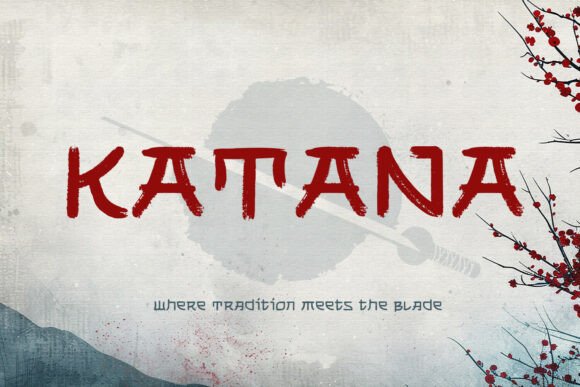
Imagine a typeface that captures the disciplined grace of a master calligrapher and the enduring strength of ancient steel. That’s the essence of the Katana font, a premium display typeface where tradition meets the blade. Its rugged, hand-painted texture mimics the deliberate strokes of a sumi-e brush, while its bold, angular construction and weathered edges evoke the spirit of authentic Eastern craftsmanship. For designers seeking a creative font with a powerful, cultural aesthetic, Katana offers a distinctive voice that can elevate a project from ordinary to memorable.
This isn't just another decorative typeface; it's a versatile design asset built for specific, high-impact scenarios. Its strength lies in its ability to convey a sense of history, discipline, and raw energy, making it an excellent choice for projects that need to tell a story through their typography.
Ideal Applications for This Oriental Display Font
When you choose a typeface, you're setting the entire mood for your project. Katana excels in contexts where a strong, cultural, or cinematic feel is desired. Consider using it for:
- Brand Identity & Logo Design: Perfect for martial arts dojos, Asian-fusion restaurants, or boutique hotels wanting a logo that feels both modern and steeped in tradition. It creates an immediate and memorable impression.
- Poster & Editorial Design: Its bold presence makes it ideal for cinematic posters, book covers (especially fantasy or historical genres), and magazine headlines that demand attention.
- Packaging & Merchandise: Use it for product labels on artisanal goods, special edition packaging, or merchandise like t-shirts and posters where a handcrafted, premium feel is key.
- Digital Interfaces & Social Media: It can bring a unique edge to gaming interfaces, app splash screens, or social media graphics for campaigns that require a dramatic and stylized look.
Tips for Choosing and Using a Font Like Katana
Integrating a powerful display font like this requires a thoughtful approach to ensure it enhances rather than overwhelms your design. Here are a few practical tips:
Prioritize Readability: As a display font, Katana is designed for headlines, logos, and short bursts of text. Avoid using it for long paragraphs of body copy. Instead, pair it with a clean, highly legible sans serif font or a simple serif font for supporting text. This contrast creates a professional and balanced typographic hierarchy.
Match the Mood: Be certain the font's strong Eastern aesthetic aligns with your project's overall message. Its rugged texture and angular forms communicate strength, tradition, and artistry. It would feel out of place in a project designed for a soft, minimalist, or corporate tech brand.
Test Font Pairings: Spend time experimenting with font pairings. A simple, geometric sans serif can provide a modern counterpoint, while a classic serif can reinforce a traditional feel. The goal is to find a combination where Katana is the star, and the supporting typeface plays a complementary role.
Review the License: Before finalizing any creative font for a commercial project, always check its license. Ensure the font download includes the rights for your intended use, whether it's for a client's brand identity, merchandise for sale, or a digital product. This is a crucial step in using design assets professionally and ethically.
The right typeface is more than just letters; it's a foundational element of modern typography that shapes perception. A well-chosen font like Katana can instantly communicate a brand's core values, create emotional resonance, and provide the visual consistency needed for a polished, professional presentation. By understanding its strengths and applying it thoughtfully, you can harness its unique character to make your next design project truly stand out.